Seafood
Ozone Food Disinfection for the Seafood Industry
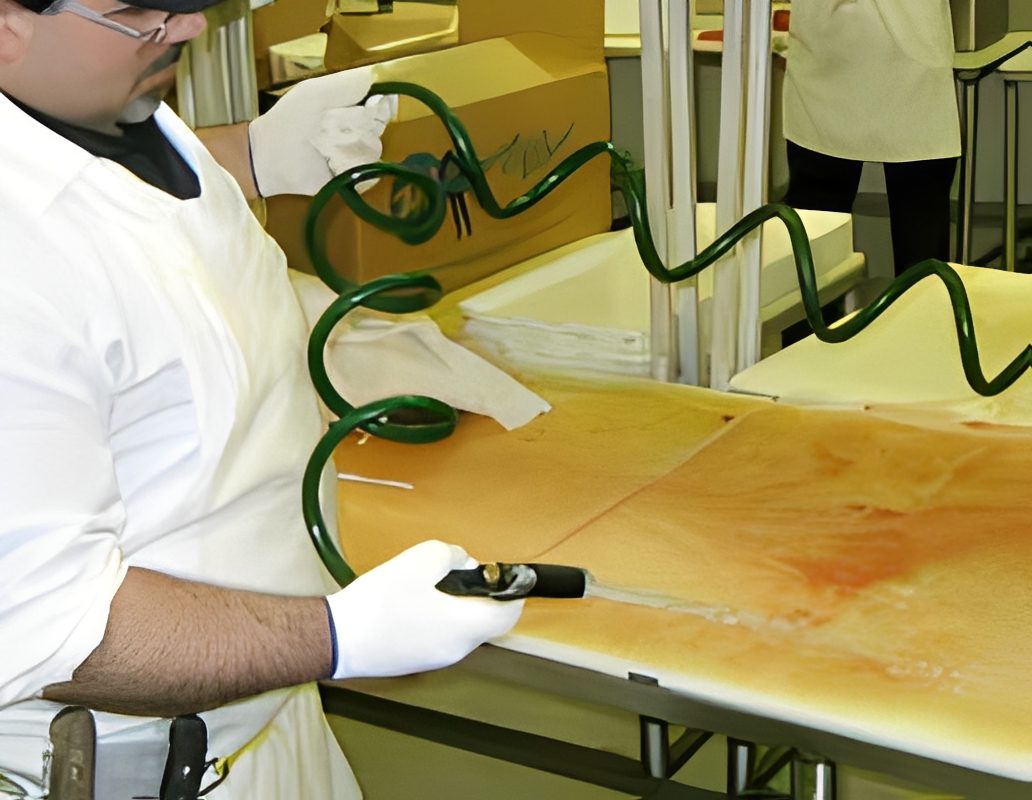
Our ozone wash-down systems are currently in use in numerous seafood food processing applications such as retail fish markets, wholesale seafood plants and commercial fishing boat fleets. Water is pumped through the Ozone wash-down system and mixed with Ozone. Ozonated water is then sprayed as a disinfectant directly onto the cleaning surface or product upon demand, destroying pathogens and bacteria which cause spoilage, giving greater shelf life, saving money, and reducing liability by destroying deadly bacteria.
Our seafood processors use the MD-1500 for this purpose. The MD-1500 integrates directly into the water supply for the operation and can deliver ozonated water throughout the plant.
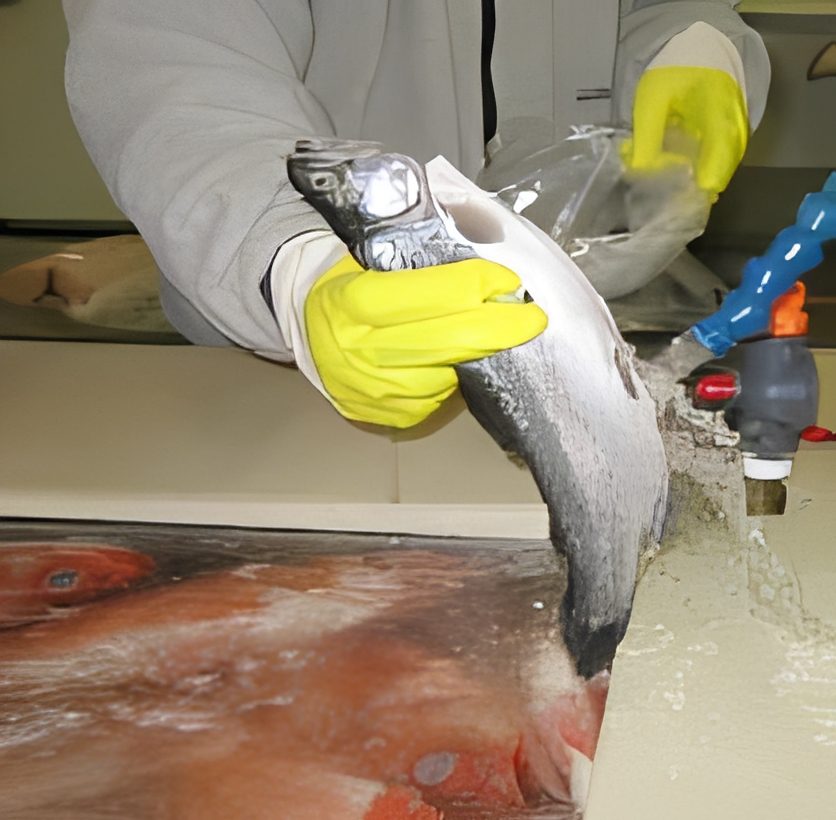
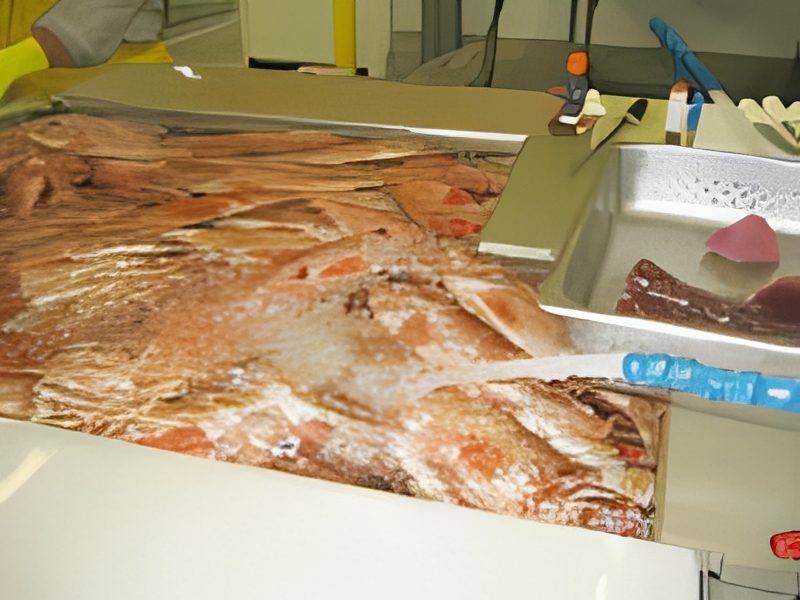
Ozone dissolved in water oxidizes pathogens for superior disinfection. Ozone destroys dangerous pathogens like salmonella, listeria. E.-coli, and shigella resulting in food that is safer to consume. Ozone also reduces bacteria that cause product shrink, actually increasing the amount of product you ship.
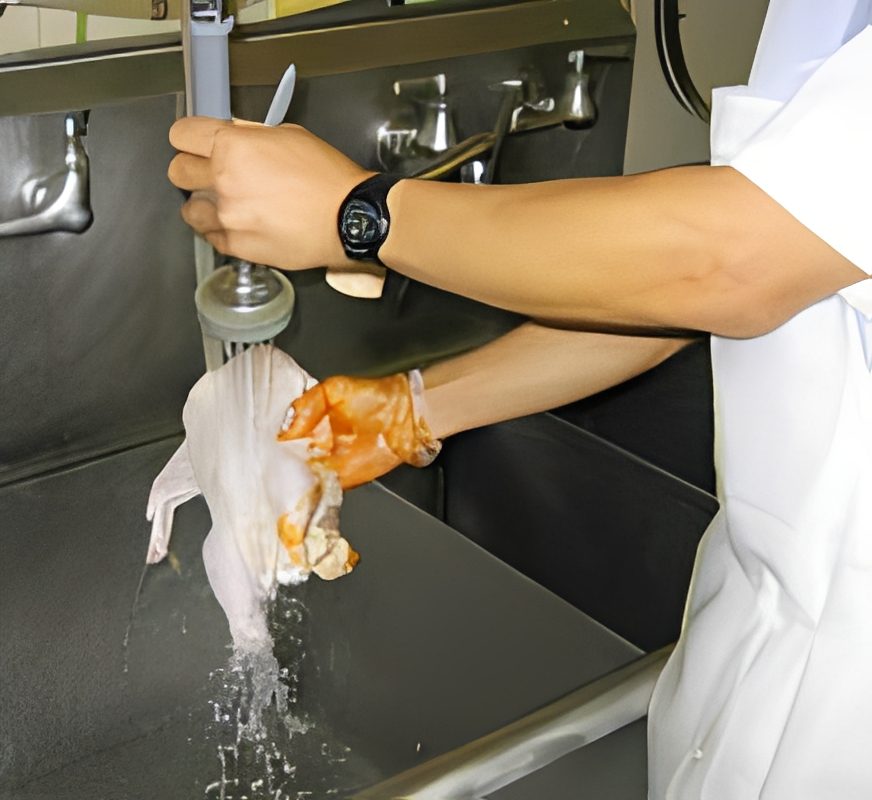
Fresh and frozen fish can be washed and thawed with ozonated water prior to processing, refrigeration, storage, or packaging. The use of ozone will remove all the offensive odors common to seafood. It should be noted that the USDA has certified the use of ozone on products labeled "organic" with no labeling requirements in regard to treated product.
University Reports
University Report on Seafood Safety
This report from scientists at the North Carolina State University Seafood Laboratory relates the general effectiveness of Ozone in increasing the shelf-life and decreasing the spoilage of seafood products. They also observed that the positive qualities of appearance and aroma of the fish were not altered by application of Ozone.
Shelf-Life Extension Up to 14 Days
This report focuses on Ozone Applications for Commercial Catfish Processing and contrasts the benefits of Ozone with the dangers from the use of chlorine. Most impressively, these researchers reported filets washed with Ozonated water had a useful shelf-life of 14 days.
Produce
Ozone Food Disinfection for the Produce Industry
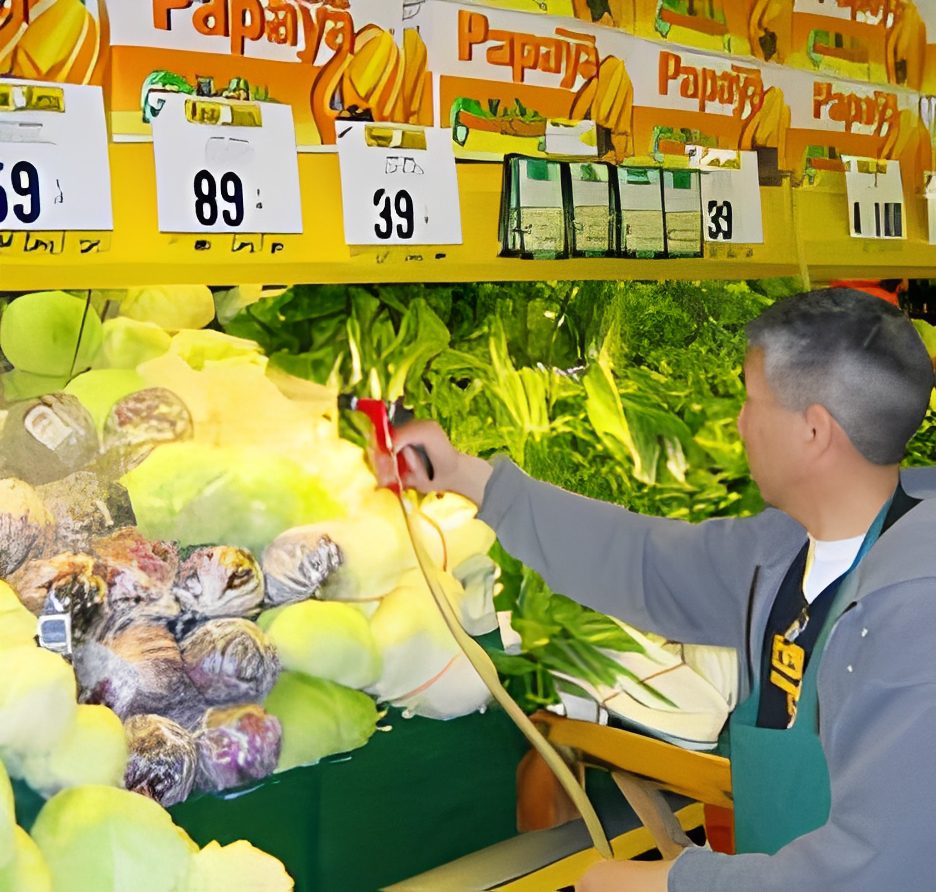
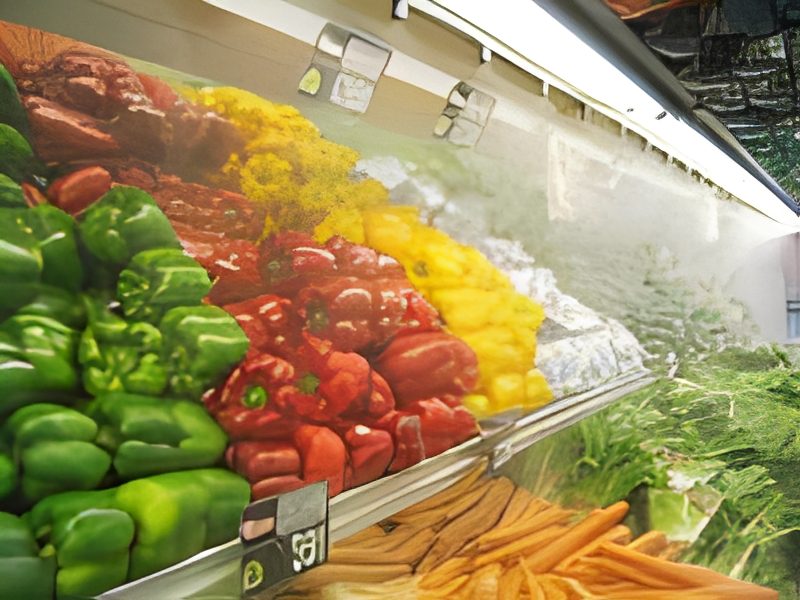
Ozone in air and water kills food pathogens in fresh perishable food applications such as fruits and vegetables. Bacteria, fungii, mold spores, and viruses reduce the product shelf life and pose significant product liability concerns. These spoilage organisms thrive and multiply faster at higher temperatures and high humidity. Many of these spoilage organisms and food pathogens will multiply even at lower temperatures during refrigeration. Most cross contamination occurs during cold storage. Proper treatment during processing, storage, and transport with ozonated water and/or air is the best means of safe, fresh produce with the greatest possible shelf life.
Depending upon particular needs, Produce Processors would choose our MD-1500 or MD-2000 systems to ensure freshness and safety from Farm-to-Table.
It is estimated that 30 million people a year get sick on what they consume and some even die as a result. Contamination Kills. If ozone was utilized by everyone on all food air and water applications from farm-to-table, the war on food pathogens would be making much greater progress. The scientific community agrees that Ozone treatment is the most effective natural bactericide of all the disinfecting or purification agents. It is considered to be the best available technology and a much better alternative than using chlorine for purification in food processing. When used in perishable food processing or cold storage produce treatment as an antimicrobial agent or as a food processing aid, it will benefit all perishables in all phases of food processing or preparation areas. Ozone disinfection will help prevent disease from food pathogens and enhance the quality of the working environment at the same time. A cleaner breathing environment raises worker productivity with fewer illnesses and fewer employee sick days.
Industry University Reports
Industry Report on Fruit & Vegetable Safety
Based on a paper presented at an annual meeting of the Institute of Food Technologists, this presents a review of the benefits of Ozone intervention in the fruit and vegetable processing industries. The dynamics of Ozone disinfection are presented, as well as an overview of Ozone applications within the industry. This paper also relates the benefits to be realized from Ozone water reclamation at food processing plants. It is estimated that the produce industry uses 50 billion gallons of fresh water each year, and Ozone remediation is the only obvious process capable of reducing this huge demand on our fresh water supply.
Industry Report on Postharvest Use of Ozone on Fruit
This article is from the Perishables Handling Quarterly professional journal. It generally focuses on comparisons of Ozone vs. hypochlorite treatments of postharvest fruit with a tabular comparison of the attributes of both disinfectants. A wide range of Ozone interventions are presented.
University of California Report on Postharvest Disinfection
This publication by the University of California at Davis provides a comprehensive review of the properties and uses of Ozone, as well as its regulatory status. Particular attention is given to the efficacy of Ozone when used on specific fruits and vegetables. Both gaseous and aqueous applications of Ozone are related.
Beef and Poultry
Ozone Food Disinfection for the Beef and Poultry Industry
The Beef and Poultry Processing industries face a continual need to safeguard against bacterial contamination such as E.coli. The scientific community agrees that Ozone treatment is the most effective natural bactericide of all the disinfecting or purification agents. It is considered to be the best available technology and a much better alternative than using chlorine for purification in food processing. When used in perishable food processing or cold storage produce treatment as an antimicrobial agent or as a food processing aid, it will benefit all perishables in all phases of food processing or preparation areas. Ozone disinfection will help prevent disease from food pathogens and enhance the quality of the working environment at the same time. A cleaner breathing environment raises worker productivity with fewer illnesses and fewer employee sick days. Proper treatment during processing, storage, and transport with ozonated water and/or air is the best means of safe, fresh beef products with the greatest possible shelf life.
University Reports
California Polytechnic University Report on Food Disinfection
This is an extremely significant report on the effectiveness of Ozone in killing specific food-borne pathogens such as E. Coli 0157:H7, Salmonella and Campylobacter on surfaces of lettuce, meat and poultry. These research findings are given extra weight in that the research team was led by Dr. Joseph Montevallo, Jr., past chairman of the Cal Poly Department of Food Science & Nutrition and a member of the Technical Advisory Panel of the USDA National Organic Standards Board.
Water Reclamation
Wastewater Treatment Solution
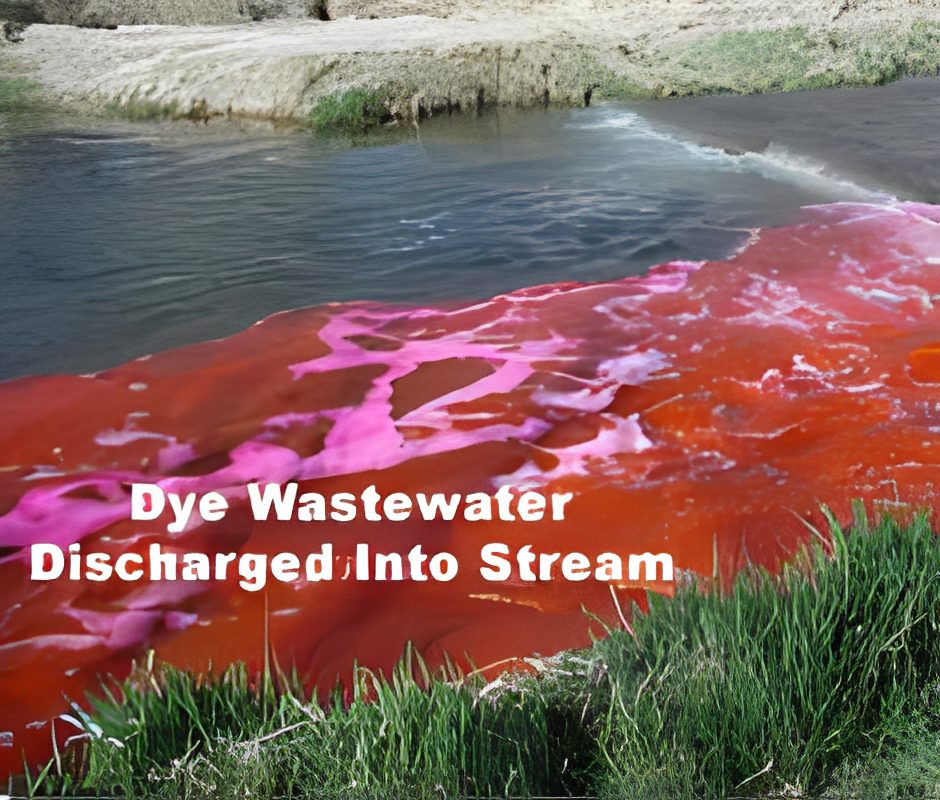
A growing number of industries are faced with rapidly rising costs of wastewater treatment. It is not uncommon for an industry to pay at least a 125% surcharge to return their wastewater into the sewage system. Dye plants, meat processing plants, produce processors and many others simply cannot afford to do business the old way of paying to dump their wastewater.
Eco-Safe Systems can be integrated into your operation to reclaim the vast majority of your total water usage. The actual amount reclaimed would be determined by specific aspects of your operation. This reclaimed water is clean--often Cleaner than the water originally supplied by your water utility. This reclaimed water can then be re-used at your plant or safely discharged into your sewage system without costly surcharges.
FDA and Industry Reports
FDA Report on Reverse Osmosis Systems
This FDA publication covers the principles and operational requirements of standard Reverse Osmosis systems. With regard to the integration of Ozone intervention in Reverse Osmosis systems, this report relates the requirement that thorough disinfection of the entire RO system is essential in producing water with acceptable bacterial counts.
Industry Report on Disinfection of Reverse Osmosis Systems
This report is prepared by General Electric and describes strategies and disinfectants capable of disinfecting Reverse Osmosis systems. In particular, Ozone is related as the only disinfectant capable of disinfection without harmful by-products. Even UV (ultra-violet) light can cause endotoxin levels to increase in product water, and UV resistant strains of bacteria may develop, requiring use of other disinfection agents.
Stories
Application for Yamaya USA
Eco Safe Systems USA has installed products successfully for Yamaya USA, Inc. in the seafood industry. To supply the most effective results possible, Eco Safe has provided the company with the R-1000 system, which is designed to be attached to any sink system and is suitable for surface and general cleanup as well as disinfection.
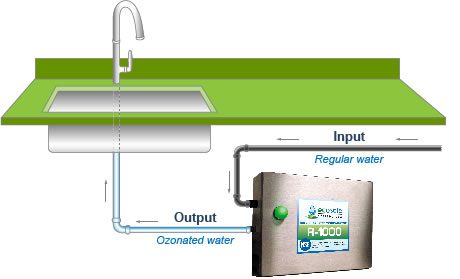
Application of the R-1000 System
Yamaya USA Inc. is a meat and seafood manufacturing company located in Torrance, CA. Currently, Yamaya uses their Eco Safe system mainly to wash seafood to aid with the production and handling of cod roe, or fish eggs.
Raw, untreated seafood often comes with the risk of bacterial infections such as listeria, and as such, all seafood must be decontaminated and disinfected before it arrives at the consumer level. Eco safe utilizes ozone in an aqueous solution for superior sterilization. Ozonated water has been proven to be an extremely powerful method of cleansing seafood of pathogens in a completely organic manner that leaves no chemical residues and does not harm the consumer. It is 3100 times stronger than chlorine and has a rapid, wide range effect that eliminates salmonella, E. Coli, shigella and other foodborne diseases. In addition, ozone is especially effective against nodavirus, a prominent issue that surfaces with fish eggs. The use of ozonated water provides an extension of shelf life, important for seafood which easily spoils.
With ozonated water, Yamaya achieves maximum sanitation levels. The company’s facilities have found that Eco Safe successfully and consistently destroys bacteria, allowing the company’s safety concerns to be largely alleviated. Yamaya has stated that they are satisfied and happy with the Eco Safe product and will continue to use it in the future to maintain the quality of their seafood and workplace.